You’ve probably heard the buzz by now: batana oil, sometimes called “liquid gold”, is being touted as a natural saviour for hair breakage, shine, and even thinning. But as appealing as batana oil feels, jumping in without a plan can do more harm than good. In fact, using batana oil for hair loss incorrectly can worsen issues instead of helping them.
Let’s start with what batana oil actually is and why it’s becoming so popular before diving into the most common mistakes people make (and how to avoid them).
What Is Batana Oil—and Why Do People Use It?
Batana oil is extracted from the nuts of the American palm tree (Elaeis oleifera), native to Central and South America. It’s been used for centuries by indigenous Honduran communities—especially the Miskito people—for its hair-strengthening properties. The oil is rich in fatty acids (like oleic and linoleic acids), vitamin E, antioxidants, and phytosterols—nutrients known to promote scalp health, moisturise strands, and help shield hair from environmental damage.
Universal Hair Clinic describes batana oil as a traditional remedy that can nourish the scalp, soothe dryness, and make hair feel healthier, even though it doesn’t have strong scientific backing for hair regrowth. That means it can enhance hair quality and resilience, but it’s not a guaranteed fix for bald patches or genetic hair loss.
Why Relying on Batana Oil Alone Can Be Misleading
Before we talk about mistakes, it’s worth understanding the expectations around batana oil for hair loss. Social media often hypes it up as a miracle cure—rich stories of regrowth, shiny manes, restored confidence. Dermatologists and trichologists remind us that while it moisturises and supports scalp health, there’s currently no strong scientific proof that it reverses hair loss like androgenetic alopecia.
That’s not to say it has no place in your routine, but your goals must be realistic. If you’re battling pattern thinning, consider batana oil a supportive ally, not a star player. Combine it with evidence-based solutions like minoxidil or low-level laser therapy for optimal results.
10 Common Mistakes When Using Batana Oil for Hair Loss
While batana oil can be a beneficial part of your hair care routine, many people don’t get the results they hoped for. Simply because they’re using it the wrong way. Below are the most frequent mistakes to watch out for and avoid.
1. Applying Too Much: Why More Isn’t Better
One of the most common mistakes with batana oil for hair loss is smothering your scalp in it. Because it’s a rich oil, applying it too liberally can clog pores, attract debris, and weigh down fine strands.
Using more doesn’t amplify benefits—it just makes residue. Try a few drops warmed between your palms, massaged in gently. This ensures absorption without buildup. Less really is more in this case.
2. Using It on Wet Hair: The Absorption Problem
Applying batana oil to damp hair is tempting as it makes your hair shine. But the oil can’t penetrate when water is still blocking the cuticle. Instead, it sits on top, adding weight without real benefit. Experts suggest applying to dry or slightly damp hair, ideally 30 minutes before washing or as a leave-in serum thermal protection. That gives your strands room to soak up the good stuff.
3. Skipping the Patch Test and Ignoring Sensitivities
Natural doesn’t always mean safe. Batana oil can irritate sensitive scalps, especially in cases of dandruff, seborrheic dermatitis, or oily skin. Some dermatologists caution that heavy oils may worsen these conditions.
Always patch test. Apply a drop behind your ear for 48 hours before using it on your scalp. If redness, itching, or flaking appear, back off or talk to a dermatologist.
4. Forgetting to Cleanse Thoroughly After Use
Because batana oil is occlusive, a light shampoo isn’t enough. Using regular mild shampoo, or better yet, a gentle clarifying formula, helps prevent blocked follicles and residue buildup. Leaving oil on too long without washing can worsen scalp issues and stifle hair growth signals.
5. Expecting It Alone to Reverse Hair Loss
This is the biggest pitfall. Many people hope that batana oil for hair loss will regrow hair or hold off shedding, when in fact it won’t address underlying causes like hormones, genetics, or medical conditions. Dermatologists note that it’s more effective at nourishing hair and soothing irritation than triggering regrowth.
If you suspect pattern thinning, it’s better to consult a clinic, even simply for a trichological scan, than to rely solely on a bottle of oil. Mixed approaches perform best.
6. Skipping Scalp and Lifestyle Care
Oiling without addressing scalp health and lifestyle is like painting over a damaged wall. Batana oil thrives on healthy scalps that are well-exfoliated, balanced in sebum, stress managed, and hydrated. Universal Hair Clinic emphasises the importance of holistic scalp care: nutrition, cleansing, stimulation, and stress control for visible results.
7. Using Low-Quality Products
The batana oil market is full of impure blends, overpriced labels, and mixed ingredients. Poorly processed oils may lack the nutrient concentration you’re buying for. TikTok influencers warn to buy from reputable, ethically sourced brands. Ideally, look for cold-pressed, unrefined batana oil, without added fragrances or oils. A few drops of high-quality oil will outperform a heavy coat of low-grade product.
8. Mismanaging Application Frequency
Applying oil to your hair every day may sound like dedication, but if your scalp is naturally oily, or the weather is humid, it can cause buildup and slow growth. Most people will thrive with once-or-twice-weekly applications. Adjust based on your scalp’s feedback: does your crown feel oily after a day? Back it off.
9. Avoiding Professional Input
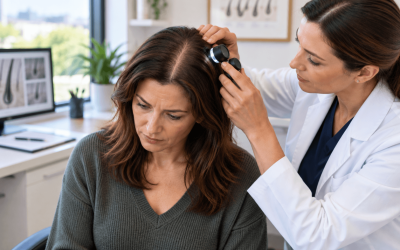
Your path to better hair doesn’t have to go solo. Hair loss is nuanced, and while batana oil may support your goals, seeing a trichologist can help determine if you need supplements, laser therapy, or medication. Universal Hair Clinic offers balanced advice on how oils fit into multi-step solutions.
Oiling blindly may feel soothing, but evidence-based direction will optimise results.
10. Overlooking Scalp Timing and Routine Integration
If you apply batana oil before bed without washing in the morning, you could wake up with residue and clogged pores. Integrating it smartly—for instance, apply, leave 30 minutes, then shampoo—avoids that greasy pillow nightmare. Tailor it to your routine; consistency matters more than quantity.
What a Good Routine With Batana Oil Should Look Like
Picture this: You warm 2–3 drops between your palms on Sunday evening. You gently massage it into dry hair and scalp for 3 minutes, focusing on ends and roots. Then you wait 30–60 minutes while reading or relaxing. When you rinse that night, you follow with a gentle shampoo, conditioner, and scalp serum.
That’s smart use. You feel nourished, hair feels softer, scalp feels balanced, and you’re not clogging follicles. You’re supporting hair that’s already in growth mode from your healthy lifestyle and professional advice.
When Batana Oil Isn’t Enough And What Comes Next
If, after two months of smart oiling, you still see shedding or thinning, it’s time to dig deeper. Patterns of male or female alopecia, scalp inflammation, and blocked follicles all require evidence-based interventions.
At this point, a trichologist from Universal Hair Clinic might recommend low-level laser therapy to stimulate follicles, PRP to boost blood flow, or tailor nutrition to reduce oxidative stress. Batana oil remains part of the plan, but now it becomes part of a roadmap, not a short-term solution.
Batana oil isn’t magic, nor is it a miracle, but when used intentionally, it can be a powerful ally. It excels at nourishing scalp and hair strands, protecting from damage, and softening texture. But only if you avoid the common mistakes: overuse, poorly-timed application, low-quality products, and neglecting professional help and lifestyle support.
Here’s the bottom line:
- Be realistic—see batana oil as supportive, not curative.
- Use sparingly, at the right time, and wash it out properly.
- Pair it with healthy habits and professional advice.
- Choose purity and ethical sourcing.
That’s how batana oil for hair loss earns its place—not as a cure but as a companion on your journey to stronger, healthier hair.
Would you like to know more about batana oil and other hair loss treatments? Our team is available to address your queries and concerns. Call us at +353 (0)1 679 3618 or click here to reach us today!