If your scalp often feels itchy, tight, or covered in flakes that just won’t go away, you’re not alone. Many people across Ireland experience scalp problems that begin as mild irritation but gradually affect hair health. What starts as a few harmless flakes can progress into noticeable thinning or shedding, leaving you wondering whether the two issues are connected.
In Ireland’s cool, damp climate, conditions like seborrhoeic dermatitis are especially common. Over time, the resulting inflammation and oil imbalance can weaken the scalp and affect hair growth. Understanding how seborrhoeic dermatitis and hair loss are linked is the first step toward restoring both scalp comfort and confidence.
Can Seborrhoeic Dermatitis Cause Hair Loss?
Also called seborrhoeic eczema, this chronic inflammatory condition affects oil-rich areas of the skin, including the scalp. It often appears as redness, greasy scales, and stubborn flakes that resemble dandruff but feel more persistent.
So, can this scalp condition cause hair loss? The short answer is yes – it can lead to hair loss, but it’s usually temporary. Inflammation around the hair follicles disrupts normal growth. Meanwhile, excess oil and skin build-up can weaken the roots, making strands more likely to shed. Constant itching and scratching further irritate the scalp, sometimes leading to breakage or slower regrowth.
But the good news is that seborrhoeic dermatitis rarely causes permanent damage to the follicles. Once inflammation subsides and the scalp’s balance is restored, hair typically regrows within a few months.
Recognising symptoms early and maintaining consistent scalp care helps prevent irritation from progressing into visible thinning or shedding.
What Causes Seborrhoeic Dermatitis?
This condition has several possible causes, and each person’s triggers can differ. One of the most common is the overgrowth of a natural yeast called Malassezia, which feeds on scalp oils. When this yeast multiplies excessively, it irritates the skin and leads to inflammation.
However, this yeast doesn’t act on its own. It thrives when the scalp’s environment becomes unbalanced. In Ireland, the combination of cold weather, high humidity, and indoor heating can easily upset this balance. These conditions can make the scalp produce too much oil or become dry and irritated, both of which allow Malassezia to grow more freely.
Internal factors also play a part. Hormonal fluctuations, stress, and fatigue can all weaken the scalp’s natural defences and alter oil production, setting the stage for flare-ups. Some people even have a genetic tendency to overreact to otherwise harmless yeast. This explains why seborrhoeic dermatitis persists despite good hygiene or regular washing.
Lifestyle and diet add another layer. Eating high amounts of sugar, processed fats, or alcohol can fuel inflammation and increase sebum production. Both can aggravate the condition. Meanwhile, in Dublin and other coastal areas, the damp air can make flare-ups more frequent. This is especially true during winter when central heating further dries the scalp.
Another key piece of the puzzle is the skin microbiome — the community of bacteria and fungi that live on the scalp. When this balance is disrupted by harsh hair products, overwashing, or pollution, Malassezia can multiply unchecked. Maintaining a balanced scalp ecosystem through gentle cleansing and proper hydration is vital to keeping inflammation under control.
It is worth mentioning that, while seborrhoeic dermatitis isn’t contagious, it is cyclical. Flare-ups can return without consistent care, especially when triggers aren’t managed. Understanding how these biological, environmental, and lifestyle factors interact helps you target the root causes of the condition, not just its symptoms.
Is Seborrhoeic Dermatitis the Same as Dandruff?
Not quite. Dandruff and seborrhoeic dermatitis are related but differ in severity. Dandruff is a mild, non-inflammatory form of flaking. Meanwhile, seborrhoeic dermatitis causes redness, soreness, and often spreads beyond the scalp to the eyebrows, beard, or behind the ears.
If you notice yellowish, oily flakes instead of light, dry ones or persistent itching that worsens in cold weather, it’s likely seborrhoeic dermatitis. Recognising this distinction is crucial because regular anti-dandruff shampoos may not be enough to manage the condition effectively.
What Are the Common Treatments for Hair Loss Due to Seborrhoeic Dermatitis?
Addressing the hair loss begins with treating the underlying seborrhoeic dermatitis. Once the scalp’s health is restored, the hair follicles can naturally recover and regrow over time.
It is worth noting that the best treatment for hair loss linked to seborrhoeic dermatitis depends on the severity of the condition. In mild cases, consistent use of over-the-counter shampoos can help. More persistent inflammation or flaking may require professional assessment and prescribed treatments.
Will hair grow back after seborrhoeic dermatitis? In most cases, yes. Once the scalp is treated and the inflammation subsides, the hair growth cycle gradually returns to normal. Most people notice visible improvement within a few months of consistent care.
Dermatologists and scalp specialists often recommend gentle, medicated shampoos that calm irritation and help restore the scalp’s natural ecosystem. These products reduce inflammation, control excess oil, and remove build-up that can block healthy growth.
Additionally, rotating between mild formulations can help keep the scalp responsive and prevent product fatigue. For sensitive skin, fragrance-free or pH-balanced shampoos are best, as they minimise the risk of further irritation.
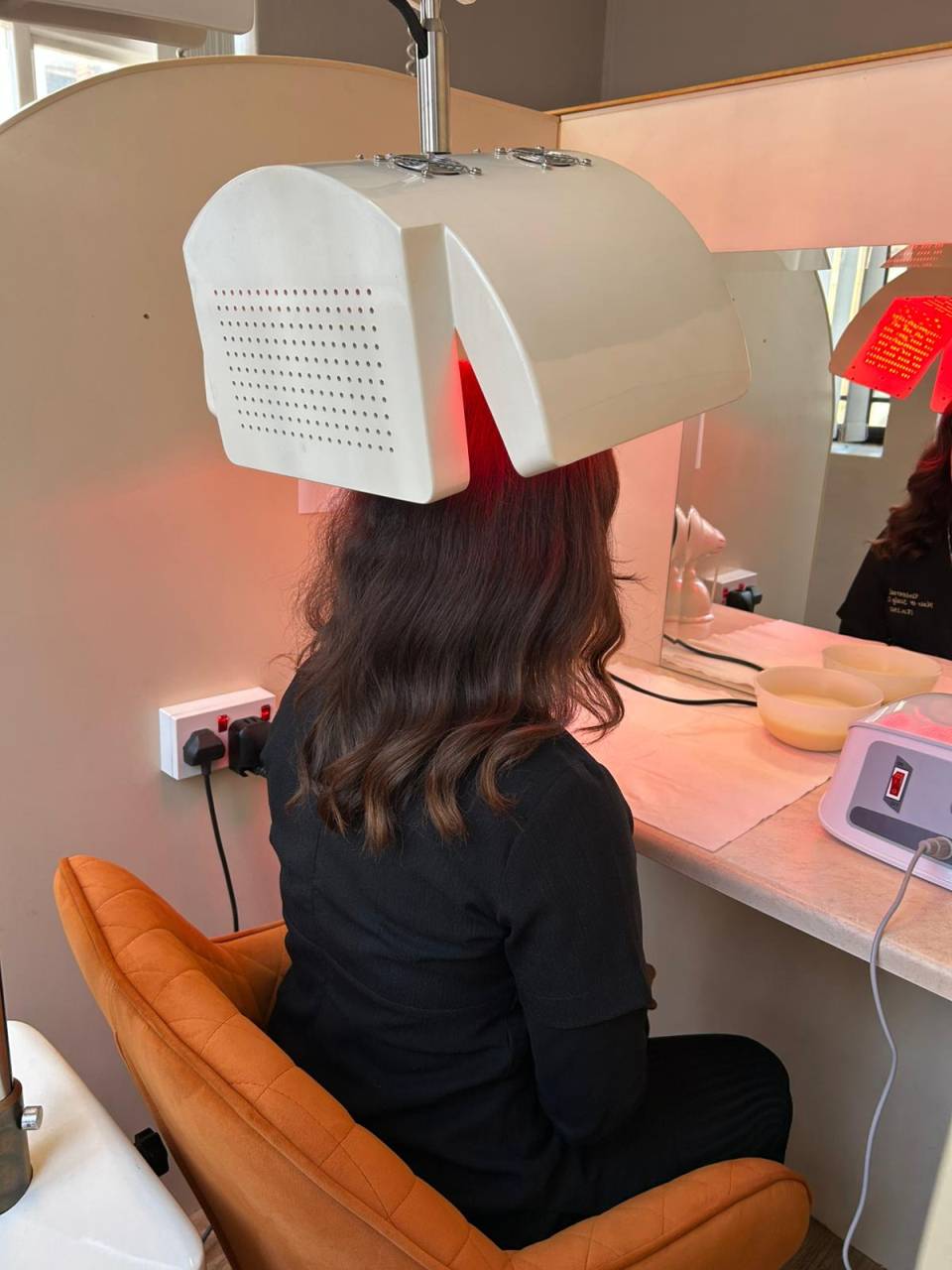
In more advanced cases, doctors may prescribe topical treatments to manage inflammation more quickly. Some scalp clinics in Ireland also use light-based scalp therapies to calm irritation and encourage healthy regrowth.
After treatment, maintenance becomes essential. Switching to a gentle, pH-balanced shampoo helps prevent rebound flare-ups. At the same time, avoiding heavy styling products keeps the follicles clear and healthy.
Ultimately, consistency matters most. The goal is to maintain scalp balance rather than react to symptoms once they appear. In Dublin’s humid climate, where flare-ups can recur due to weather or stress, washing with medicated shampoos two to three times weekly is recommended. Additionally, following a simple, soothing care routine can make a lasting difference.
Are There Natural Remedies for Seborrhoeic Dermatitis?
While medical or clinical treatments remain the most reliable way to manage seborrhoeic eczema, some people explore natural alternatives to support scalp health between flare-ups. These options can complement the care recommended by a professional.
Certain gentle, plant-based ingredients are sometimes used in scalp-care routines to help soothe irritation and maintain balance. For example, tea tree oil is often included in mild formulations for its naturally cleansing qualities. Meanwhile, aloe vera can help cool and moisturise a dry or irritated scalp. Nutrients such as omega-3 fatty acids, commonly found in oily fish, flaxseed, and walnuts, may also support skin and scalp health from within by promoting better hydration and reducing overall dryness.
Additionally, including vitamin D-rich foods such as eggs, salmon, or fortified cereals can support general skin and immune function. Low vitamin D levels are common in Ireland due to limited sunlight, which can make the scalp more prone to seborrhoeic dermatitis.
Maintaining good nutrition, hydration, and stress management helps the scalp remain less reactive over time. Other simple habits, such as gentle scalp massage, can improve circulation and ease tension, especially during colder months when dryness and tightness are more common.
It is worth emphasising that these natural approaches should always be viewed as supportive measures, not standalone treatments. When combined with consistent professional guidance and ongoing scalp care, they can help maintain comfort, reduce irritation, and support long-term resilience. This is particularly necessary given Ireland’s unpredictable weather.
When Should You Consult a Dublin Hair and Scalp Specialist?
If your symptoms persist despite over-the-counter treatments, it may be time to seek professional advice. A hair or scalp specialist in Dublin can examine your scalp, identify underlying causes, and create a tailored treatment plan.
Acting early makes a significant difference. Seborrhoeic dermatitis can improve within a few weeks once the right treatment is in place, but delaying professional care often allows inflammation to worsen. This can increase the risk of excessive hair shedding and prolonged irritation. So, seeking help as soon as symptoms become persistent ensures faster recovery and better long-term scalp health.
How to Prevent the Recurrence of Seborrhoeic Dermatitis
As mentioned earlier, seborrhoeic dermatitis is a chronic condition, which means it can return even after symptoms improve. While there’s no permanent cure, consistent care can keep flare-ups and hair loss under control. Long-term prevention depends on consistency and everyday habits such as:
• Using gentle, pH-balanced shampoos designed for sensitive scalps.
• Avoiding heavy styling products that build up around the follicles.
• Managing stress through relaxation techniques or regular exercise.
• Maintaining a balanced diet, rich in vitamins, zinc, and essential fats.
But daily habits go beyond product choice. For instance, water temperature plays a major role. Hot water strips away protective oils, leaving the scalp dry and irritated. Opt for lukewarm rinses and avoid aggressive scrubbing.
During Ireland’s colder months, dry indoor heat and harsh outdoor air can quickly dehydrate the scalp. Counteract this with a mild leave-in conditioner or hydrating scalp tonic once or twice a week. During summer, when humidity rises, switch to lighter formulas to keep oil production under control.
Stress management also deserves special attention. Chronic stress triggers cortisol spikes that increase oil secretion, worsening seborrhoeic dermatitis. Practising mindfulness, yoga, or even taking regular walks outdoors (when weather allows) can improve both scalp health and overall well-being. This can help you keep flare-ups at bay throughout the year.

In conclusion, seborrhoeic dermatitis and hair loss share a close connection through inflammation and scalp imbalance. The condition may be chronic, but it’s far from untreatable. By understanding your triggers and keeping the scalp healthy, you can restore both comfort and confidence.
Whether you’re in Dublin, Cork, or Galway, the combination of professional guidance and consistent self-care can make a lasting difference. Remember, a calm scalp supports stronger hair and with it, a noticeable boost in confidence.
Still struggling with seborrhoeic dermatitis and hair loss? Don’t wait for the problem to worsen — professional scalp consultation is available in Dublin. Call us on (01) 679 3618 today to get expert advice, long-term relief, and healthier regrowth.