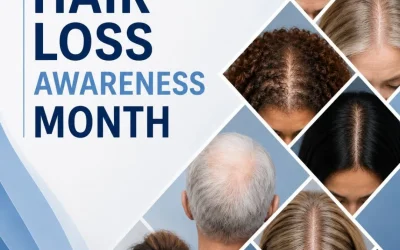
Thinning at the crown often feels more confronting than other forms of hair loss. It is an area you do not see clearly every day, which means changes can progress quietly until one moment makes it obvious. A photo taken from above, harsh lighting in a changing room, or an offhand comment can suddenly bring the issue into focus. By that point, many people feel unsure how long the thinning has been happening or what to do next.
That uncertainty leads many people to search for solutions that feel safe, non-invasive, and realistic. Laser hair growth therapy often appears during that search, especially for those who want to avoid medication or surgery. While this approach is not a cure or a quick fix, it may play a useful role for some people dealing with crown thinning, provided expectations are clear and timing is right.
Why Is Thinning at the Crown So Common?
Crown thinning is most often linked to androgenetic hair loss, where hair follicles gradually become more sensitive to hormonal changes over time. Follicles in the crown tend to respond earlier and more strongly to these signals, leading to slow but steady miniaturisation. Hair rarely disappears suddenly. Instead, each growth cycle produces finer, weaker strands, reducing overall density.
Another reason crown thinning feels sudden is visibility. Since this area sits outside your direct line of sight, changes are easy to miss until thinning has already progressed. Hair can look relatively unchanged from the front while the crown continues to thin quietly. This delay matters, as laser-based treatments are generally more effective when follicles are weakened but still active.
How Laser Therapy Supports Thinning Hair
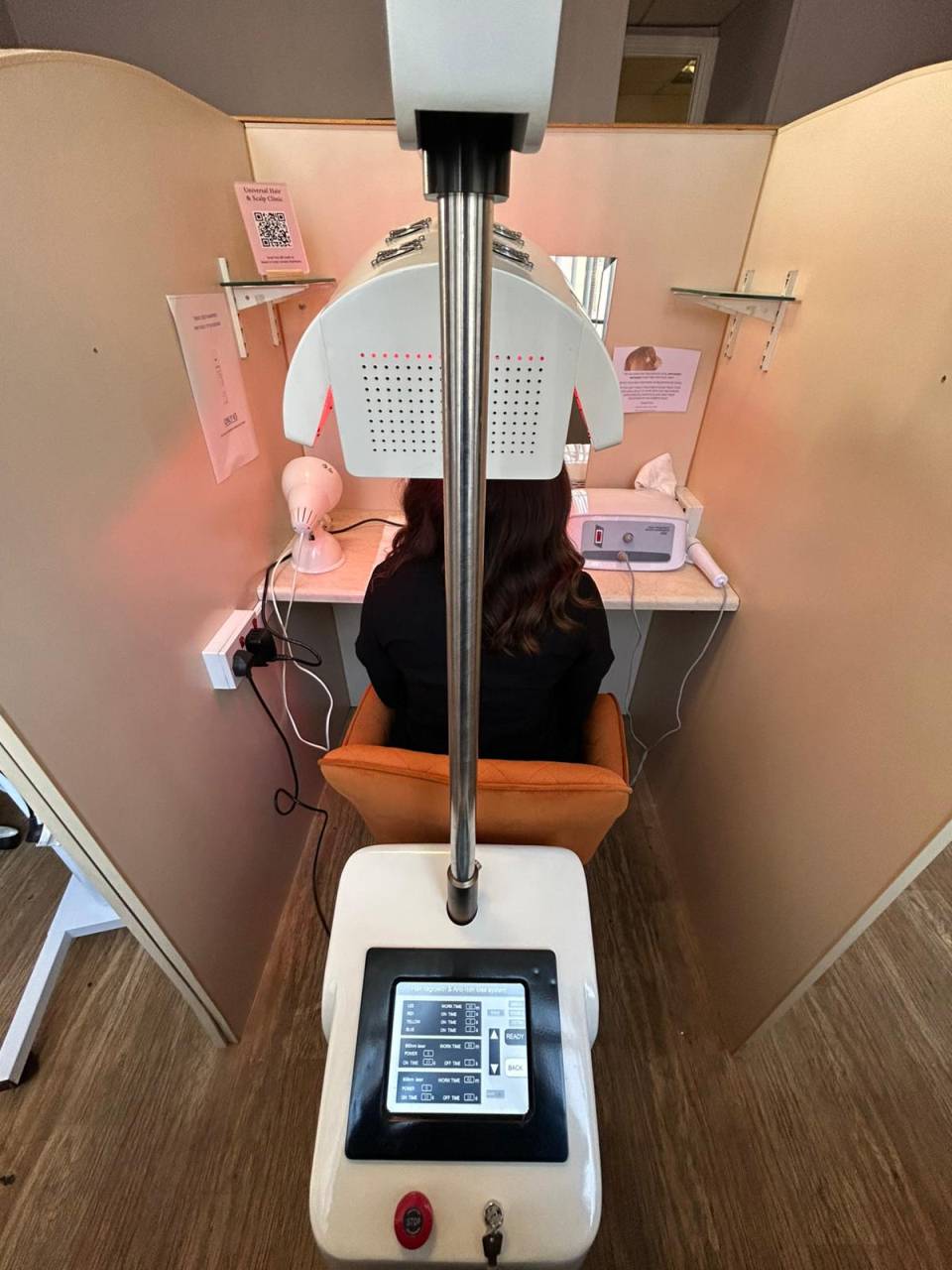
Low-level laser therapy uses targeted light energy to stimulate activity within the scalp. This light supports cellular function by encouraging better energy production within hair follicle cells. When follicles receive more consistent energy, they may remain in the growth phase for longer and shed less frequently.
But it is just as important to understand the limitations. Laser therapy does not override genetics, create new follicles, or reverse advanced hair loss. Its role is supportive rather than corrective. For thinning hair at the crown, this distinction matters greatly. The treatment works with existing follicles, not around them, which is why results vary so widely from person to person.

Can Laser Hair Growth Therapy Help with Crown Thinning Specifically?
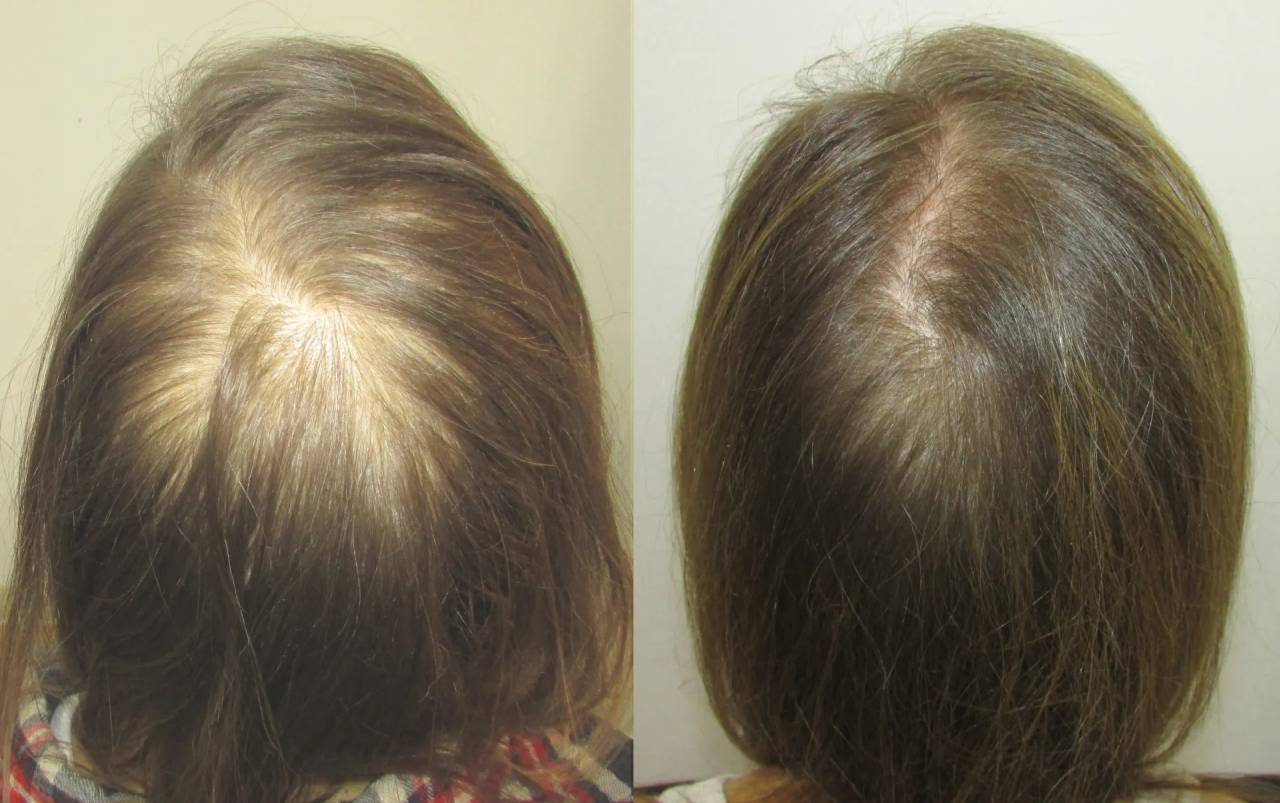
Yes, laser treatment can help with thinning at the crown but only in certain circumstances. It tends to be most effective when thinning is still in the early to moderate stages and follicles are producing hair, even if that hair has become noticeably finer. In these cases, laser-based stimulation may help improve hair quality, slow further thinning, and support overall density.
It is important to note that the crown often responds differently from areas such as the hairline. Follicles here sit deeper within the scalp, and the skin itself is thicker. Because of this, changes tend to develop gradually and are often subtle. Many people expect visible regrowth and feel discouraged when results are understated. In reality, stabilisation and improved coverage are often the most realistic and meaningful outcomes.
It is also common for people to underestimate how long crown thinning has been present. By the time treatment begins, follicles may already be significantly weakened. This does not mean laser treatment cannot help, but it does mean results are more likely to be modest rather than dramatic. Framing progress accurately helps prevent disappointment.
Who Is Most Likely to See Results from Laser Hair Growth Therapy?
People who notice gradual thinning rather than long-standing bald patches are more likely to respond well to laser-based treatment. Diffuse crown thinning, where hair is still present but visibly finer, tends to be more receptive than smooth or shiny areas where follicles may no longer be active.
Additionally, consistency plays a major role in outcomes. Laser-based therapy relies on repeated stimulation over time not occasional use. Those who build treatment into a routine and commit to realistic timelines are more likely to notice improvement.
Age can also influence results. This is not because the treatment stops working but because follicle activity naturally declines over time.
Expectation is equally important. People who view laser treatment as a way to support and preserve existing hair often feel more satisfied than those hoping for full restoration. When success is defined as strengthening what remains, outcomes tend to feel more meaningful.
When Laser Hair Growth Therapy May Not Be Enough on Its Own
Crown thinning rarely has a single cause. Hormonal sensitivity is often involved, particularly in pattern hair loss. However, it is never the only factor at play. Scalp inflammation, prolonged or chronic stress, nutritional deficiencies, and overall health can all influence how hair behaves in this area. When several of these factors overlap, hair follicles may struggle even when they are being stimulated.
Laser therapy can support follicle activity by encouraging healthier growth conditions, but it does not address these contributing factors on its own. For example, inflammation can interfere with the hair growth cycle, while nutritional gaps may limit the follicle’s ability to respond fully to stimulation.
This is why some people feel they have tried laser-based treatment without success. The issue is not always the approach itself but the absence of a broader understanding of what is driving the thinning. Without identifying underlying causes, even consistent use may fall short of expectations.
How Long Does It Take to See Treatment Results for Crown Thinning?
Hair growth follows a slow biological cycle, and the crown is often one of the most patience-testing areas. With laser treatment, early changes may appear as reduced shedding or hair that feels stronger before any visible density changes occur. These shifts can take several months to develop.
More noticeable improvement, when it happens, usually unfolds gradually over a longer period. It is common for people to look for visual proof too early and assume nothing is working. In reality, internal changes often come first. Stopping treatment prematurely is one of the most common reasons people believe it has failed.
Crown Thinning: At-Home Laser Devices or Clinical Care?
At-home laser devices appeal to people who value convenience and privacy. For some, they can be a useful entry point, particularly when thinning is mild and routines are easy to maintain. However, treating the crown consistently can be challenging without guidance. Positioning devices correctly, ensuring even coverage, and recognising whether changes are positive or concerning all require judgement that many people find difficult to develop on their own.
Clinical care offers a different level of support. When treatment is overseen by a hair loss specialist, laser-based therapy is not used in isolation or applied blindly. A specialist can assess the stage of crown thinning, monitor follicle response over time, and adjust the approach if progress stalls.
For many people, the involvement of a specialist brings clarity and confidence. This does not mean at-home options have no place. For crown thinning in particular, having clinical oversight often makes treatment more targeted, more measured, and ultimately more worthwhile.
Is Laser Therapy Safe for Your Scalp?
For most people, laser-based treatments for hair loss are considered safe when used as directed. The low-level lasers involved are not designed to heat the scalp or damage tissue. Instead, they work at intensities intended to support cellular activity without disruption.
Side effects are uncommon, but mild scalp sensitivity can occur, particularly in those with existing scalp conditions. If shedding increases suddenly or discomfort persists, it is sensible to pause and seek professional advice. Temporary changes can be part of the hair growth cycle, but unexplained or prolonged symptoms should always be assessed.

What to Consider Before Trying Laser Hair Growth Therapy for Crown Thinning
Before starting laser treatment for crown thinning, it helps to consider how long thinning has been present and how consistent you can realistically be with treatment. Laser-based approaches reward patience and routine rather than urgency.
Professional assessment can provide clarity that online research often cannot. Understanding the cause and stage of crown thinning helps determine whether laser treatment is appropriate now or whether other forms of hair loss treatment should be explored first. Making decisions with accurate information reduces frustration and sets expectations on firmer ground.
In conclusion, laser-based treatment can support thinning at the crown when follicles are still active and intervention begins early enough. While it does not reverse advanced hair loss, it may help slow progression, improve hair quality, and preserve density over time when used consistently.
Crown thinning is common and often emotionally challenging, but it is not something you need to approach blindly. Knowing what laser-based options can and cannot do allows you to make informed decisions based on reality rather than hope alone.
Are you ready to explore whether laser hair growth therapy can help with thinning at the crown? Speak with a hair loss specialist to get clear guidance tailored to your hair and scalp. Call us now +353 (0)1 679 3618 to schedule your online consultation.