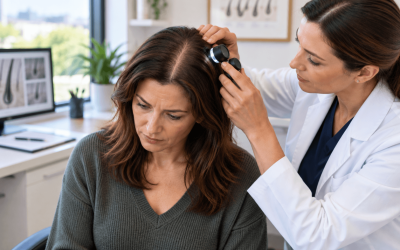
Hair loss is not something you usually expect to think about during the teenage years. Adolescence already brings enough visible changes, so noticing thinning hair or increased shedding in your child can feel deeply unsettling. It is easy to jump to worst-case conclusions, especially when your teenager is still growing and developing.
The reality is that many teenage hair loss causes are temporary and linked to normal physical or emotional changes. Others do require attention, but rarely for the reasons you might initially fear. Understanding what is common and what should not be ignored allows you to respond calmly and support your teenager without unnecessary panic.
What Are the Most Common Teenage Hair Loss Causes?
The causes of excessive hair shedding in teens usually fall into a small number of broad categories. These include hormonal changes linked to puberty, emotional or physical stress, nutritional deficiencies, and scalp conditions. In some cases, genetic factors come into play. While seeing hair loss at this age can be alarming, most of these causes are manageable once identified.
It also helps to know that hair loss in teenagers is rarely caused by a single factor. Hormonal shifts may overlap with exam stress, dietary habits can change during growth spurts, and scalp health may decline quietly over time. Hair often reflects the combined effect of several pressures rather than one isolated issue.
This overview matters because hair loss during adolescence often looks more dramatic than it actually is. Increased shedding does not automatically mean permanent hair loss. By understanding the main categories early, you can approach the situation with perspective rather than fear and avoid focusing on one assumed cause while overlooking others.
The Effect of Hormonal Changes on Teen Hair Growth
Puberty triggers hormonal shifts that affect many systems in the body, including the hair growth cycle. Hormones influence how long hair remains in its growth phase and when it enters the shedding phase. During adolescence, these fluctuations can temporarily push more hairs than usual into shedding at the same time.
The timing of these changes can vary widely. One teenager may experience rapid hormonal transitions, while another goes through slower, more gradual shifts. This helps explain why children of a similar age, or even siblings, may have very different experiences with hair changes.
For many teenagers, this type of hair loss settles naturally as hormones stabilise. Hair follicles remain healthy, and regrowth follows. When shedding persists or worsens, it may indicate that hormonal changes are interacting with other factors such as stress or nutrition, which is why ongoing changes are worth monitoring rather than dismissing.
How Stress Can Trigger Hair Loss During the Teenage Years
Stress is one of the most underestimated causes of teen hair loss, largely because it is not always obvious. Academic expectations, social pressures, and emotional strain can all affect your teenager’s body, even when they appear outwardly calm or disengaged.
Teenagers often internalise stress rather than talking about it openly. The body may respond physically before emotional signs become clear, and hair shedding can be an early indicator that stress is having a physiological effect.
Stress-related hair loss typically appears several months after the stressful period has passed. This delay can make it difficult to connect cause and effect. When hair begins shedding suddenly, understanding the timing helps you look beyond the hair itself and consider emotional well-being as part of the overall picture.
Common Nutritional Gaps That Can Affect Teenage Hair Growth
Teens experience rapid growth, which increases their nutritional needs. Iron deficiency and low protein intake are among the most common nutritional gaps during adolescence and can directly affect hair health. Protein is essential because hair itself is made from keratin, a structure the body deprioritises when nutrients are limited. Iron plays a different but equally important role, as it supports the delivery of oxygen to hair follicles, helping them function and grow normally.
These issues are rarely intentional and are not a reflection of anything you have done wrong. Many teenagers eat enough food overall but still miss key nutrients needed to support hair growth. This often happens because skipped meals, restrictive eating patterns, or reliance on convenience foods can gradually limit the nutrients available for non-essential functions such as hair production, particularly during growth spurts.
Hair loss linked to nutrition tends to develop gradually rather than suddenly. You may also notice fatigue or changes in skin health alongside it. In many cases, hair changes are one of the earliest visible signs that the body needs additional support, which is why early attention can be particularly helpful.
Scalp Conditions That Can Trigger Hair Loss in Teenagers
The health of the scalp plays a central role in hair growth, yet it is often overlooked. Conditions such as dandruff, seborrhoeic dermatitis, or chronic scalp inflammation can disrupt the environment needed for healthy hair follicles to function properly.
Teens may ignore itching or flaking, especially when symptoms come and go. Over-the-counter products can reduce visible flakes while leaving underlying inflammation untreated, allowing irritation to continue beneath the surface.
Persistent scalp issues can prolong shedding and interfere with regrowth, even when other contributing factors are addressed. Supporting scalp health is not just about comfort. It is about restoring the conditions hair follicles need to grow normally again.
Is Teenage Hair Loss Ever Genetic? What You Should Know
Genetic hair loss can begin earlier than many people expect, although it remains less common in teenagers than in adults. When it does occur, it usually follows recognisable patterns rather than sudden or widespread shedding.
These patterns often involve gradual thinning in specific areas and tend to progress slowly. This helps distinguish genetic hair loss from stress-related or hormonal shedding, which is typically more diffuse and temporary.
Understanding the difference between genetic hair loss and other teenage hair loss causes allows you to respond appropriately. Early assessment does not mean accepting an inevitable outcome. It gives you the opportunity to monitor changes, explore management options, and maintain perspective.
Why Understanding Teenage Hair Loss Causes Early Can Prevent Bigger Problems Later
Identifying the cause of the hair loss can significantly affect how easily the issue is resolved. Many forms of hair loss respond best when the underlying trigger is addressed before prolonged shedding disrupts the natural growth cycle or related imbalances become harder to correct.
Delays can allow minor issues to overlap and compound. What begins as stress-related shedding may be prolonged by nutritional gaps or scalp irritation, making recovery slower than it needs to be.
Early understanding does not mean rushing into treatment. It means recognising patterns, ruling out reversible causes, and avoiding unnecessary delays that can complicate recovery over time.
When Should You Worry About Teenage Hair Loss?
While many hair changes during adolescence are temporary, certain signs should not be ignored. Ongoing thinning, visible bald patches, changes in the hairline, or shedding that continues beyond six months may indicate an underlying issue that is unlikely to resolve on its own.
Persistent changes in texture, density, or growth patterns can also matter when they remain consistent rather than fluctuating. You are often best placed to notice these shifts over time, especially when your teenager downplays them.
This stage is less about alarm and more about clarity. Knowing when hair loss moves beyond normal variation helps you decide whether further assessment or guidance is appropriate.
Why Get Professional Assessment for Teenage Hair Loss
Teenage hair loss causes often overlap, which can make it difficult to identify the underlying trigger without guidance. Hormonal changes may occur alongside academic pressure. Eating habits can shift during growth spurts. Also, scalp issues may develop gradually over time. When several factors are involved, focusing on one visible change alone can lead to missed signals or delayed support.
A professional assessment provides clarity by bringing these influences together in context. Rather than guessing, you gain a clearer understanding of how different factors interact and which ones are most relevant to your child’s situation. This helps distinguish normal developmental changes from patterns that may need monitoring.
Seeking the advice of a trichologist or hair loss specialist does not mean rushing into treatment or assuming something serious is wrong. It allows reversible causes to be considered within a broader picture and removes the pressure of self-diagnosis.
Most importantly, professional input provides expert interpretation. It helps you understand what is typical for your child’s age and stage of development and what, if anything, needs closer attention. For many families, this step offers clarity as much as direction, reducing uncertainty and helping you move forward without second-guessing every change.

How Early Support Helps Protect Your Teenager’s Confidence
Hair changes during adolescence can quietly affect confidence, even when teenagers say very little about it. Appearance plays a strong role in identity at this age, and worries about hair loss are often internalised rather than openly discussed.
You may notice small shifts such as changes in hairstyle, reluctance to talk about appearance, or withdrawal from social situations. These signs can be subtle, but they often reflect growing self-consciousness.
Addressing the issue early and calmly sends a message of support rather than scrutiny. Thoughtful guidance helps your teenager feel understood and reassured, reducing the risk of a temporary concern influencing long-term self-esteem.
In conclusion, most causes of teenage hair loss are manageable when they are understood early and addressed appropriately. Hair changes during adolescence often reflect growth or temporary imbalance rather than permanent loss. Knowing when reassurance is enough and when support is needed allows you to respond with confidence instead of uncertainty.
Are you unsure whether your child’s hair changes are normal or linked to teenage hair loss causes that need attention? Booking a consultation with our trichologist allows you to get expert guidance tailored to your child’s age and stage of development. Call +353 (0)1 679 3618 to arrange your online consultation.