Noticing your hairline changing can feel unsettling. You might catch your reflection and realise your forehead looks slightly higher than before. At first, it may seem like a small shift. Over time, though, that subtle change can turn into a lingering worry, especially if you are unsure what it means.
The good news is that a receding hairline does not always point to something serious. In many cases, it is a natural part of ageing or genetics. However, there are situations where it can signal underlying issues that deserve attention. Understanding the difference can help you take control rather than feel uncertain about what is happening.
What Does a Receding Hairline Actually Mean?
A receding hairline refers to the gradual movement of the hairline backwards, typically around the temples or forehead. For many people, this is one of the earliest visible signs of hair loss. It can happen slowly over years or appear more noticeable over a shorter period.
It is important to distinguish between a maturing hairline and active hair loss. A maturing hairline often stabilises after a slight shift, usually during your twenties or early thirties. In contrast, progressive hair loss continues over time and may affect other areas of the scalp. Recognising this difference early helps you decide whether monitoring or action is the right next step.
Is a Receding Hairline Always Genetic?
In many cases, a receding hairline is linked to genetics. This condition, known as androgenetic alopecia, is the most common cause of hair loss in both men and women. If you have close relatives who experienced similar patterns, there is a strong chance that genetics plays a role in your situation.
That said, genetics is not the full picture. Some people with no family history still experience hairline changes. Others may notice hair thinning triggered by external factors. This is why it is helpful to look beyond assumptions and consider other possible influences, especially if the changes feel sudden or unusual.
When a Receding Hairline Could Signal a Health Issue
A receding hairline can sometimes reflect underlying health concerns, particularly when it appears quickly or alongside other symptoms. While this is less common than genetic hair loss, it is worth paying attention to.
Hormonal imbalances can play a role, especially in conditions affecting testosterone or oestrogen levels. Thyroid disorders are another potential factor, as they can disrupt normal hair growth cycles. Nutritional deficiencies, particularly low iron or vitamin D levels, may also contribute to thinning around the hairline.
Stress is another important consideration. Prolonged stress can trigger a condition where hair enters a resting phase and sheds more than usual. If your receding hairline coincides with significant life changes or emotional strain, this connection should not be overlooked.
How to Tell If Your Receding Hairline Is Getting Worse
A receding hairline that continues to change over time may indicate ongoing hair loss rather than a stable shift. One of the clearest signs is progression beyond the temples into the crown or overall thinning across the scalp.
You might also notice changes in hair density or texture. Hair can become finer, weaker, or more difficult to style. Increased shedding during washing or brushing may also signal active loss. Tracking these patterns over several months can give you a clearer picture of what is happening.
Paying attention early allows you to respond sooner rather than later. Even small observations can make a difference when deciding whether to seek professional advice.
What Causes a Receding Hairline Besides Age?
While age and genetics are the most recognised causes, several other factors can influence your hairline. Lifestyle habits, for example, can have a significant impact. Poor diet, lack of sleep, and high stress levels all affect the body’s ability to maintain healthy hair growth.
Haircare practices can also contribute. Frequent use of harsh chemicals, excessive heat styling, or tight hairstyles can weaken the hairline over time. These factors may not cause hair loss on their own, but can accelerate existing conditions.
Medical factors should also be considered. Conditions affecting the immune system, scalp health, or hormone levels can all play a role. This is why a broader view often leads to a more accurate understanding of your situation.
Stress-Related Hair Loss
Stress can play a significant role in hair changes, but it usually does not cause a classic receding hairline on its own. Instead, stress-related hair loss tends to appear as overall thinning rather than a defined retreat at the temples. However, it can still influence how quickly an existing receding hairline becomes noticeable.
When your body is under prolonged stress, it can shift more hair follicles into a resting phase. This leads to increased shedding, often weeks or months after the stressful period begins. If you are already genetically predisposed to hair loss, stress can accelerate the process, making the hairline appear to recede faster than expected.
What makes this challenging is that stress-related shedding can feel sudden and unpredictable. You may not immediately connect it to emotional or physical strain. This is why it helps to look at your broader life context. If your hairline changes alongside periods of pressure or burnout, stress may be contributing more than you realise.
Your Receding Hairline’s Link to Your Lifestyle Habits
Your daily habits can influence how your hairline evolves over time, even if genetics is the underlying cause. Lifestyle factors rarely act alone, but they can either support or undermine your hair health, depending on how consistent they are.
Nutrition is one of the most overlooked areas. Hair growth depends on a steady supply of vitamins and minerals, including iron, zinc, and protein. If your diet lacks these, your hair may become weaker and more prone to thinning, especially around the hairline, where changes are often most visible.
Sleep and recovery also matter more than many people expect. Poor sleep can disrupt hormonal balance and increase stress levels, both of which can affect hair growth cycles. Over time, this can contribute to a gradual decline in hair density.
Haircare habits are another factor worth reviewing. Frequent use of tight hairstyles or aggressive styling can place strain on the hairline. While this may not cause genetic hair loss, it can worsen the appearance and make thinning areas more noticeable.
Looking at your lifestyle does not mean blaming yourself for hair changes. Instead, it gives you practical ways to support your hair alongside any medical or professional treatment you may consider.
Can You Reverse or Slow Down a Receding Hairline?
In many cases, you can slow down a receding hairline, especially if you act early. Completely reversing it depends on the underlying cause, but there are several effective ways to manage progression.
Medical treatments such as topical solutions or oral medications can support hair regrowth and reduce further loss. These are often most effective when started early. Professional guidance ensures that any treatment is appropriate for your specific condition.
Lifestyle adjustments can also help. Improving nutrition, managing stress, and adopting gentler haircare routines can support healthier hair over time. While these changes may not fully restore your hairline, they can create a stronger foundation for long-term results.
When Should You See a Specialist in Ireland?
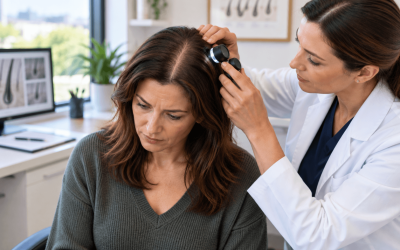
If your receding hairline feels sudden, uneven, or accompanied by other symptoms, it is worth seeking professional advice. A specialist can assess whether the cause is genetic, medical, or lifestyle-related.
Consultations often involve reviewing your medical history, examining your scalp, and sometimes recommending blood tests. This process helps identify any underlying conditions that may not be immediately obvious.
Early consultation can make a significant difference. Even if your hair loss turns out to be genetic, getting clarity can help you explore treatment options with confidence rather than uncertainty.
In conclusion, a receding hairline can feel like a small change at first, but the questions it raises can quickly grow. Understanding what is normal and what might require attention gives you a sense of control during an uncertain time.
In many cases, it is simply part of ageing or genetics. In others, it may be your body signalling that something else needs attention. The key is not to ignore the change, but to understand it and respond in a way that supports your overall well-being.
Are you concerned that your receding hairline could be a sign of something more serious? Speaking with a specialist can help you understand the cause and explore the right next steps. Call +353 (0)1 679 3618 to book a consultation today or click here to reach us and take control of your hair health with confidence.