Noticing large amounts of hair in the shower, on your pillow, or caught in your brush can feel deeply unsettling. One day your hair seems normal, then suddenly it feels thinner, weaker, or visibly different within a relatively short period of time. For many women, the experience creates immediate worry because the change feels so sudden and difficult to explain.
That reaction is completely understandable. Hair is closely connected to confidence, identity, and how you see yourself day to day. The good news is that sudden hair loss in women can happen for several different reasons, and many of those causes are temporary or treatable once properly identified. Understanding what may be triggering the shedding is often the first step towards regaining both control and reassurance.
Why Sudden Hair Loss Can Feel So Distressing
Hair loss often affects more than appearance alone. For many women, it creates emotional stress because the change feels visible, personal, and difficult to hide. Even small differences in hair density can affect confidence during everyday activities such as styling your hair, going to work, or socialising.
Sudden shedding can feel particularly alarming because it happens quickly. Gradual thinning may take months or years to notice fully, but sudden hair loss creates a sharper emotional reaction because the contrast feels immediate.
Many women also begin monitoring their hair constantly once shedding starts. You may find yourself checking your hairline in mirrors, examining your scalp under bright light, or becoming anxious every time you wash or brush your hair. This heightened awareness can make the experience feel even more emotionally overwhelming.
There is also uncertainty around what the shedding means. Some people fear permanent hair loss immediately, while others worry about underlying health conditions. Without clear answers, anxiety often fills the gap.
This emotional impact is important because stress itself can sometimes worsen certain forms of hair shedding. Understanding the possible causes calmly and realistically can help reduce unnecessary panic while allowing you to focus on the appropriate next steps.
What Causes Sudden Hair Loss in Women?
Sudden hair loss in women is commonly caused by stress, hormonal changes, illness, nutritional deficiencies, medication side effects, or underlying medical conditions. In many cases, the shedding reflects a disruption in the hair growth cycle rather than permanent damage to the hair follicles themselves.
One of the most common causes is a condition called telogen effluvium. This occurs when a larger number of hairs than usual enter the shedding phase at the same time. Physical or emotional stress often triggers this response, although the shedding may not begin until several weeks or months after the stressful event itself.
Illness can also contribute significantly. High fevers, infections, surgery, rapid weight loss, or major physical strain may disrupt normal hair growth temporarily. Many women become confused because the hair loss begins after they have already recovered from the original illness.
Hormonal changes are another major factor. Pregnancy, postnatal recovery, menopause, thyroid disorders, and conditions such as polycystic ovary syndrome can all influence hair growth patterns. Hormonal fluctuations affect the growth cycle differently for each person, which is why symptoms vary widely.
Nutritional deficiencies may contribute as well, particularly low iron levels, vitamin deficiencies, or inadequate protein intake. Hair growth requires significant nutritional support, and deficiencies sometimes become visible through increased shedding before other symptoms are noticed.
Certain medications can trigger hair loss, too. Some blood pressure medications, antidepressants, hormonal treatments, and medical therapies may affect hair growth as a side effect.
Autoimmune conditions occasionally play a role as well. Alopecia areata, for example, can cause sudden patchy hair loss that develops relatively quickly.
The challenge is that different causes often produce similar symptoms. This is why professional assessment becomes important when sudden shedding persists or worsens over time.
How Stress and Hormones Affect Hair Growth
Stress and hormones affect hair growth because both influence the normal cycle that controls when hair grows, rests, and sheds. When the body experiences disruption internally, hair follicles can shift prematurely into the shedding phase.
Telogen effluvium is one of the clearest examples of this process. After physical illness, emotional stress, or hormonal disruption, more hairs enter the resting stage simultaneously. Several weeks later, those hairs begin shedding in larger amounts than usual.
This delay often confuses people. You may feel emotionally stable now while still experiencing shedding caused by stress from months earlier. Because the timing is disconnected, many women struggle to identify the original trigger.
Hormonal changes affect the body in similar ways. Pregnancy and childbirth commonly alter hair growth patterns because hormone levels shift dramatically during and after pregnancy. Many women notice increased shedding several months after giving birth.
Menopause can also influence hair thickness and growth. Oestrogen changes may affect density gradually or contribute to more noticeable thinning over time.
Thyroid disorders are another important consideration. Both underactive and overactive thyroid conditions can disrupt hair growth significantly if left untreated.
Stress-related shedding does not necessarily mean the hair follicles are permanently damaged. In many cases, the hair growth cycle gradually normalises once the underlying trigger is addressed.
When Sudden Hair Loss in Women May Need Medical Attention
Sudden hair loss in women may require medical attention when the shedding is severe, continues for several months, occurs in patches, or is accompanied by scalp irritation, pain, or other physical symptoms. While temporary shedding is common, persistent or unusual patterns deserve professional evaluation.
Large clumps of hair falling out suddenly can indicate a more significant disruption than normal shedding. Similarly, visible bald patches or sharply defined areas of loss may suggest autoimmune conditions such as alopecia areata.
Scalp symptoms matter too. Redness, scaling, itching, burning sensations, or tenderness may indicate inflammatory or dermatological conditions affecting the scalp itself.
Hair loss accompanied by fatigue, weight changes, menstrual irregularities, or other health symptoms may point towards hormonal or nutritional causes that require investigation.
The duration of shedding is also important. Temporary stress-related hair loss often improves gradually over time. If heavy shedding continues for several months without slowing, further assessment is usually worthwhile.
Seeking medical advice early does not mean something serious is necessarily wrong. In many cases, professional reassurance and targeted treatment help reduce both the physical symptoms and the anxiety surrounding them.
What You Should Do If You Notice Sudden Hair Shedding
The first step is usually to avoid panicking or rushing into aggressive treatments immediately. Hair shedding can feel frightening, but reacting impulsively often creates more confusion and frustration.
Try paying attention to timing and patterns instead. Think about recent illness, emotional stress, dietary changes, medications, or hormonal shifts that may have occurred during the previous few months. These details often help identify possible triggers.
It is also important to avoid overloading your scalp with trend-based products or harsh treatments without understanding the cause first. Many social media recommendations promise fast regrowth without addressing the underlying issue driving the shedding.
Seeking professional assessment early is often the most helpful approach. A proper consultation can help distinguish between temporary shedding, hormonal thinning, autoimmune conditions, or other medical causes.
Protecting overall scalp health also matters during this period. Gentle hair care, reduced heat styling, and avoiding excessive tension on the hair can help minimise additional stress on already vulnerable hair.
Most importantly, remember that sudden shedding does not automatically mean permanent hair loss. Many forms of hair loss improve once the underlying cause is identified and treated appropriately.
Can Hair Grow Back After Sudden Hair Loss?
Yes, hair can often grow back after sudden hair loss, especially when the underlying cause is temporary or treatable. Recovery depends on what triggered the shedding and how quickly the issue is identified and addressed.
Stress-related telogen effluvium frequently improves over time once the body recovers from the original trigger. Hormonal or nutritional causes may also respond well to targeted treatment and medical management.
Hair regrowth usually happens gradually rather than suddenly. Many women expect immediate visible improvement, but hair growth cycles naturally take time. Regrowth may begin internally before noticeable thickness returns externally.
Patience becomes important during this process because anxiety about progress can increase emotional stress. Some women notice shorter “baby hairs” appearing first, while overall density slowly improves over several months.
Early intervention can also make a difference. Addressing nutritional deficiencies, hormonal imbalances, or scalp conditions promptly often improves the chances of stronger recovery.
Not every form of hair loss behaves the same way, which is why professional diagnosis matters. Understanding whether the condition is temporary, inflammatory, hormonal, or genetic helps guide realistic expectations and treatment decisions.
Why Self-Diagnosing Hair Loss Often Creates More Anxiety
Hair loss information online can feel overwhelming very quickly. Social media, forums, and advertisements often present dramatic claims or conflicting advice that increase anxiety rather than clarity.
Many women begin comparing their symptoms to worst-case scenarios online. Others spend large amounts of money on supplements or treatments before understanding the actual cause of the shedding.
The problem with self-diagnosis is that many forms of hair loss look similar initially. Nutritional deficiencies, hormonal issues, autoimmune conditions, and stress-related shedding can overlap visually even though the treatment approaches differ significantly.
Trend-driven treatments may also delay proper medical assessment. While some products can support scalp health, they cannot resolve underlying thyroid issues, hormonal imbalances, or medical conditions on their own.
Professional evaluation provides something online advice cannot fully offer: context. Understanding your personal health history, symptoms, and timing helps create a far more accurate picture of what may be happening.
Reducing uncertainty often becomes just as valuable emotionally as the treatment itself.
How Clinics Assess Sudden Hair Loss in Women
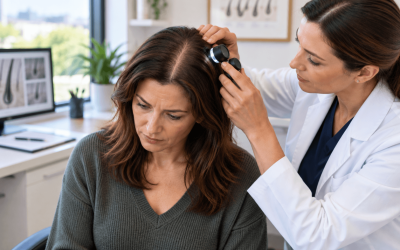
Clinics assess sudden hair loss in women by examining medical history, symptom patterns, scalp condition, and possible internal health factors contributing to the shedding. The goal is not simply treating the hair itself, but identifying what may be disrupting the growth cycle.
Consultations usually begin with questions about timing, stress levels, recent illness, medications, diet, and hormonal changes. These details often provide important clues about potential triggers.
The scalp and hair density may also be examined closely to assess the pattern and severity of the shedding. Some forms of hair loss create diffuse thinning, while others affect specific areas more noticeably.
Blood tests are sometimes recommended to investigate iron levels, thyroid function, vitamin deficiencies, or hormonal imbalances. These underlying factors can significantly affect hair growth when left untreated.
Treatment planning usually depends on the findings. Some women benefit mainly from addressing internal health issues, while others may require additional scalp-focused treatments or ongoing monitoring.
The most important aspect of assessment is identifying the actual cause rather than assuming all hair loss follows the same pattern.
What Helps Support Healthy Hair Recovery
Healthy hair recovery usually depends on supporting both internal health and scalp conditions consistently over time. There is rarely a single overnight solution because hair growth naturally moves slowly.
Nutrition plays an important role, particularly adequate iron, protein, and vitamin intake. Even mild deficiencies may affect growth quality or prolong shedding in some women.
Stress management also matters because prolonged emotional strain can continue influencing the hair growth cycle. Recovery often improves when the body gradually returns to greater physical and emotional balance.
Consistency is equally important. Frequent treatment changes or panic-driven experimentation can sometimes create additional frustration. Most effective approaches require patience before visible progress appears.
Gentle hair care supports recovery, too. Reducing excessive heat styling, harsh chemical treatments, or tight hairstyles may help minimise unnecessary strain while regrowth develops.
Most importantly, recovery often happens gradually rather than dramatically. Small improvements over time usually indicate the hair growth cycle is stabilising again.
In conclusion, Sudden hair loss can feel frightening, especially when the shedding seems to appear without warning. However, sudden hair loss in women can happen for many different reasons, including stress, hormonal changes, illness, nutritional deficiencies, and temporary disruptions to the hair growth cycle.
The key is not ignoring persistent shedding or assuming the worst immediately. Understanding the underlying cause early often makes treatment more effective and helps reduce the anxiety that frequently surrounds hair loss itself.
Are you experiencing sudden hair loss in women and are unsure what may be causing it? Early assessment can help identify the root issue and guide the right treatment before the shedding worsens. Contact us to arrange a professional consultation and regain confidence in your hair health. Call us on +353 (0)1 679 3618 or click here to book an online consultation.