Starting a hair loss treatment often comes with a sense of hope. Whether you’ve noticed gradual thinning, a widening parting or more hair than usual coming out when you wash it, taking action can feel like an important first step towards improving your hair’s condition.
But what happens when you’ve been following your treatment routine and still can’t see the results you expected? You might find yourself checking the mirror more often, comparing photographs or wondering whether you’ve spent time and money on something that simply isn’t helping.
If you’re concerned about hair loss treatment not working, there are several possible explanations. Hair growth is a slow biological process, and factors such as the underlying cause of hair loss, the treatment being used, consistency and individual response can all influence the outcome.
Understanding these factors can help you decide whether to give your current approach more time, review how you’re using it or seek a professional assessment. The most useful next step is often to understand why your hair is thinning before deciding whether a treatment needs to change.
How Long Should Hair Loss Treatment Take to Show Results?
Many hair loss treatments take several months to produce noticeable changes, although the timeframe depends on the treatment and the condition being addressed. Hair grows in cycles, so improvements may not become visible immediately, even when an approach is helping to reduce further shedding or support healthier growth.
Hair follicles move through different stages, including active growth, transition and rest. Because individual follicles are not all at the same stage, changes in the hair growth cycle can take time to become apparent across the scalp.
You may also notice changes in shedding before you see a difference in thickness or coverage. For some people, the earliest sign of improvement is that their hair loss appears to be slowing rather than that new hair is visibly growing.
It’s important to judge progress against a realistic timeframe for the specific treatment you’re using. If you’re unsure how long you should wait, a qualified healthcare professional can explain what changes are reasonably expected and when reassessment may be appropriate.
Why Does Hair Growth Take So Long?
Scalp hair typically grows at an average rate of around one centimetre per month, although this varies between individuals. Even when a follicle begins producing a healthier hair shaft, it takes time for that hair to become long enough to contribute noticeably to overall coverage.
The appearance of your hair also depends on how many follicles are actively producing hair and the thickness of the individual strands. A small improvement in growth may therefore be difficult to recognise without consistent photographs or a professional scalp assessment.
Could You Be Treating the Wrong Type of Hair Loss?
One of the most important reasons a hair loss treatment may not be working is that it does not address the underlying cause. Different types of hair loss can look similar at first, but they may require very different approaches to assessment and management.
For example, gradual thinning associated with hereditary hair loss is different from temporary shedding that develops after illness, significant stress or other physical changes. Patchy hair loss, scalp inflammation and hair breakage can also have different causes.
A treatment intended to support one type of hair loss may offer limited benefit if the actual problem involves another condition. This is why identifying the pattern, timing and possible triggers of hair loss is often more useful than choosing a product based on its popularity.
What Are the Different Causes of Hair Loss?
Several conditions and circumstances can contribute to changes in hair density, including:
- Hereditary hair loss: Gradual thinning influenced by genetic and hormonal factors, often following a recognisable pattern.
- Telogen effluvium: Increased shedding that may follow illness, major stress, surgery, rapid weight changes or other physical triggers.
- Alopecia areata: An immune-related condition that can cause distinct patches of hair loss.
- Scalp conditions: Inflammation, infection or other scalp problems that may interfere with healthy hair growth.
- Nutritional deficiencies: Inadequate levels of certain nutrients that can contribute to shedding in some individuals.
- Traction-related hair loss: Damage associated with repeated tension from tight hairstyles or certain hair practices.
These examples illustrate why hair loss cannot always be managed effectively through the same routine. A professional assessment can help distinguish between possible causes and identify whether further medical investigation is needed.
Are You Using Your Hair Loss Treatment Consistently?
Consistency can make a significant difference to the results of treatments that require regular use. Missing applications, changing your routine frequently or stopping and restarting treatment may make it difficult to assess whether an approach is helping.
Some people become discouraged when they don’t notice immediate improvement and begin trying several products in quick succession. While this reaction is understandable, frequently changing your routine can make it harder to identify which products are beneficial or causing irritation.
Following the instructions provided by your healthcare professional or the product manufacturer is important. Using more than the recommended amount does not necessarily improve results and may increase the likelihood of unwanted effects.
If your routine is difficult to maintain, discuss this with the professional overseeing your treatment. They may be able to help you understand which steps are essential and whether a more manageable approach is appropriate.
Could Your Hair Loss Be Progressing Despite Treatment?
In some cases, hair loss continues because the underlying condition is still active or progressing. This does not automatically mean that every aspect of your treatment has failed, particularly if the treatment is intended to slow further thinning rather than restore all previously lost hair.
Hereditary hair loss, for example, can develop gradually over many years. A treatment may help some people maintain existing hair or reduce the rate of thinning without producing dramatic visible regrowth.
This distinction matters because expectations influence how results are interpreted. If you expected noticeably thicker hair within a short period, a slower rate of hair loss may feel disappointing even when it represents a meaningful response.
However, continued deterioration should not simply be dismissed as normal. If your hair loss is becoming more noticeable despite following the recommended treatment, reassessment can help determine whether the diagnosis, treatment plan or other contributing factors need attention.
Can Stress Affect the Results of Hair Loss Treatment?
Stress can contribute to certain forms of hair shedding, particularly when the body experiences a significant physical or emotional strain. The relationship is not always immediate, and increased shedding may appear weeks or months after the triggering event.
This delayed response can make the cause difficult to recognise. You may begin treatment after noticing increased shedding without connecting it to an illness, stressful period or major life change that occurred earlier.
If the trigger has resolved, some forms of temporary shedding may improve gradually. However, ongoing stress, poor sleep or other health concerns can complicate the picture, and not every episode of hair loss should be attributed to stress.
Keeping track of when your shedding began and any significant changes in your health or circumstances may be helpful during a consultation. This information can give a clinician a clearer understanding of your hair loss history.
Could Nutritional Deficiencies Be Affecting Your Hair Growth?
Healthy hair growth depends on adequate nutrition, and certain deficiencies can contribute to increased shedding or changes in hair quality. Iron deficiency, inadequate protein intake and some other nutritional problems may be relevant, depending on your circumstances.
However, taking additional supplements does not automatically improve hair growth. If your nutrient levels are already adequate, extra supplementation may offer little benefit, and excessive intake of certain nutrients can be harmful.
Dietary changes, restrictive eating patterns and substantial weight loss may also influence the hair growth cycle. In some cases, shedding becomes noticeable only after the nutritional or physical stress has been present for some time.
If a deficiency is suspected, a healthcare professional can advise whether testing is appropriate. Treatment should address any confirmed underlying problem rather than relying on supplements without a clear reason.
Is Your Scalp Healthy Enough to Support Hair Growth?
Scalp health can influence hair growth, particularly when inflammation, infection or certain skin conditions affect the follicles. Persistent itching, redness, scaling, soreness or visible irritation may indicate that the scalp itself needs attention.
Some hair care products and treatments can also cause irritation in susceptible individuals. If your scalp becomes uncomfortable after starting a new routine, it is worth reviewing the products you’re using rather than assuming that irritation is a normal part of treatment.
Conditions that cause inflammation around hair follicles may require specific medical management. Certain forms of scarring hair loss can permanently damage follicles, making early assessment particularly important.
A healthy-looking scalp does not guarantee that every follicle is functioning normally, but visible scalp symptoms can provide useful clues. If you notice persistent irritation or painful areas, seek professional advice rather than continuing a product that appears to be worsening the problem.
Can Hormonal Changes Make Hair Loss Treatment Less Effective?
Hormonal changes can influence the hair growth cycle and contribute to thinning in some individuals. These changes may occur at different stages of life or alongside particular health conditions.
For women, hair shedding or thinning may become noticeable after childbirth, during the menopausal transition or in association with certain hormonal conditions. Men can also experience hormonally influenced hair loss, particularly where hereditary sensitivity plays a role.
The presence of a hormonal influence does not necessarily mean that hormone levels are abnormal. In hereditary pattern hair loss, follicles may be sensitive to normal levels of certain hormones.
Because hormonal causes differ, there is no single treatment approach that is suitable for everyone. A clinician can consider your symptoms, medical history and pattern of hair loss when deciding whether further investigation is appropriate.
Are Your Expectations for Hair Regrowth Realistic?
One reason people feel disappointed with hair loss treatment is that the expected outcome may not match what the treatment can realistically achieve. Advertising photographs and online testimonials can create the impression that substantial regrowth is common or guaranteed.
In reality, treatment responses vary considerably. Some people experience noticeable improvements in density, others see reduced shedding or stabilisation, and some have little response to a particular approach.
The extent of existing hair loss can also influence what is possible. Areas with functioning follicles may respond differently from areas where follicles have been permanently damaged.
It can be helpful to discuss what success would look like in your particular situation. A realistic goal might involve slowing further thinning, improving scalp health or achieving modest changes in density rather than returning to the hair you had many years ago.
A treatment does not necessarily have to produce dramatic regrowth to offer some benefit, but its results should still be assessed against realistic and clearly defined goals. Understanding those goals can make it easier to decide whether continuing treatment is worthwhile.
How Can You Tell Whether Your Hair Loss Treatment Is Making Progress?
Assessing progress can be difficult when you see your hair every day. Gradual changes in density, parting width or hairline appearance may be hard to recognise without a consistent way of comparing results.
Photographs can be useful when taken under similar conditions. Try to use the same lighting, hairstyle, camera angle and distance so that differences in appearance are less likely to be caused by the photographs themselves.
You may also want to record changes in shedding, scalp symptoms and treatment consistency. However, counting individual hairs every day can become stressful and may not provide a reliable picture of overall progress.
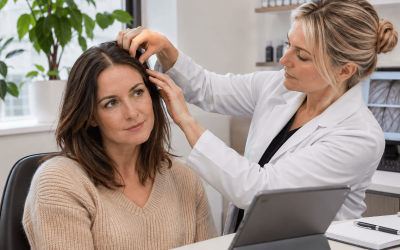
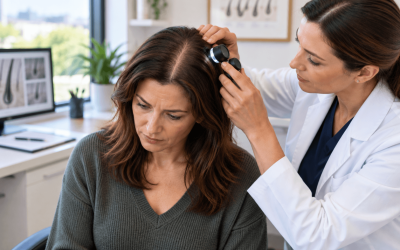
A professional scalp examination can offer additional information when appropriate. Depending on the circumstances, a clinician may use magnification or other assessment methods to examine hair density, shaft variation and scalp condition.
Why Can Before-and-After Photographs Be Misleading?
Hair can appear substantially different depending on lighting, styling and whether it is wet or dry. Changes in camera angle, hair length and product use can also make the same level of density look better or worse.
For this reason, comparisons are most useful when the conditions are consistent. Photographs should support a broader assessment rather than serve as the only evidence that a treatment is succeeding or failing.
When Should You Consider Changing Your Hair Loss Treatment?
You may need to review your treatment if you’ve followed it consistently for the recommended period without meaningful improvement. A change may also be appropriate if your hair loss continues to progress, your scalp develops persistent irritation or the treatment is difficult to maintain.
However, changing products without understanding why the current approach is underperforming may simply repeat the same problem. It is generally more useful to review the original diagnosis, treatment duration, application routine and any new symptoms before deciding what to do next.
A qualified healthcare professional can help determine whether additional investigation or a different treatment approach is warranted. They can also explain the possible benefits, limitations and risks of the options relevant to your condition.
If you’re concerned about your hair loss treatment not working, the next step should be to understand the reason rather than immediately adding more products to your routine. A targeted reassessment can help you make decisions based on your individual circumstances.
When Is Hair Loss a Sign That You Should Seek Medical Advice?
Although many forms of hair loss develop gradually, certain changes deserve prompt medical attention. Sudden or extensive shedding, rapidly developing bald patches and hair loss accompanied by scalp pain or inflammation should not be ignored.
You should also seek medical advice if you notice scarring, significant redness, crusting or other unusual scalp changes. These symptoms can sometimes indicate conditions that require early treatment to reduce the risk of permanent follicle damage.
Hair loss accompanied by other health changes may also warrant investigation. Symptoms such as unexplained fatigue, significant weight changes or other persistent physical concerns can provide important clues about possible underlying causes.
If a treatment causes a significant adverse reaction, stop using it as directed by the relevant safety guidance and seek appropriate medical advice. For severe allergic symptoms or breathing difficulties, obtain emergency medical care.
How Can a Professional Hair Loss Assessment Help?
A professional assessment can help identify factors that may be limiting your progress and establish whether your current approach is suitable. Rather than focusing only on the appearance of your hair, the assessment may consider your medical history, shedding pattern, scalp condition and previous treatments.
The process may include questions about when your hair loss began, whether it has changed over time and whether similar patterns occur in your family. A clinician may also ask about recent illnesses, medications, diet and other relevant circumstances.
Where necessary, further investigation or referral to an appropriate medical specialist may be recommended. The aim is to develop a clearer understanding of the problem before making decisions about treatment.
A consultation should also provide an opportunity to discuss realistic expectations. Knowing what improvement is possible, how progress may be measured and when to reassess can help you approach treatment with greater confidence.
What Can You Do While Waiting for Hair Loss Treatment Results?
Waiting for visible improvement can be frustrating, particularly when hair loss is affecting your confidence. However, there are practical steps you can take to support your hair and scalp while following professional advice.
Maintain a gentle hair care routine and avoid unnecessary tension from tight hairstyles. If your hair is fragile, reducing excessive heat styling and harsh handling may help limit additional breakage, although these measures will not necessarily address the underlying cause of hair loss.
Aim for a balanced diet and seek advice if you suspect a nutritional problem. If you’ve been prescribed or advised to use a particular treatment, follow the recommended instructions and discuss any concerns before making changes.
It may also help to reduce how frequently you check your hair for signs of improvement. Comparing photographs at sensible intervals can provide a more useful perspective than examining your hairline or parting several times a day.
Understanding Why Your Hair Loss Treatment Isn’t Working
In conclusion, there are many possible reasons why a hair loss treatment may not be producing the results you expected. The underlying cause may not have been correctly identified, the treatment may need more time, or factors such as consistency, scalp health and individual response may be influencing progress.
The most important consideration is whether your current approach is appropriate for your particular type of hair loss. Understanding the cause and setting realistic expectations can help you avoid unnecessary changes while recognising when a professional reassessment is needed.
Are you worried about your hair loss treatment not working, or unsure whether you’re making progress? A professional consultation can help you explore possible reasons for continued thinning and discuss suitable next steps. To enquire about a hair and scalp assessment, contact Universal Hair Clinic on 01 679 3618 or visit our contact page.