Scalp microneedling has become an increasingly popular option for people experiencing hair thinning or hair loss. If you have been exploring ways to encourage hair growth, you may have come across this treatment and wondered whether it could help. However, before considering the potential benefits, you should first determine whether your scalp is in suitable condition for the procedure.
The condition of your scalp plays an important role in determining whether microneedling is appropriate. Certain scalp problems can increase the risks associated with the procedure, while others may require a different approach to managing hair loss.
When Should You Avoid Scalp Microneedling?
Scalp microneedling should generally be avoided when there is an active scalp infection, significant inflammation or broken skin. Certain inflammatory hair loss conditions, particularly active scarring alopecia, also require caution. Other health concerns may make treatment unsuitable or require medical clearance. Whether microneedling should be postponed or avoided altogether depends on the underlying condition and individual circumstances.
To understand why these precautions matter, it helps to consider how microneedling works. The procedure uses fine needles to create controlled micro-injuries in the skin, stimulating a healing response. However, certain scalp conditions can make the procedure unsafe. Some require only a temporary delay, while others need further medical evaluation before treatment can be considered.
Active Scalp Infections
Bacterial or fungal infections can make microneedling unsafe because the procedure may spread microorganisms or worsen the affected area. Pustules, discharge or painful swelling are warning signs that should be medically assessed before treatment.
Significant Scalp Inflammation
Persistent redness or tenderness may indicate an active inflammatory condition. Microneedling should be postponed when inflammation is significant or its cause remains unclear. This also applies to active flare-ups of conditions such as scalp psoriasis or eczema, particularly when the skin is irritated or damaged.
Broken or Compromised Skin
Open wounds, cuts and sores should not be microneedled. Recent sunburn or irritation caused by chemical treatments may also require postponement. The affected skin should be allowed to recover before treatment suitability is reassessed.
Active Inflammatory or Scarring Alopecia
Conditions such as folliculitis decalvans and lichen planopilaris require particular caution because they can involve active inflammation and permanent follicular damage. Microneedling should be avoided when these conditions are suspected until appropriate medical assessment has taken place.
Other Health Considerations
Bleeding disorders, impaired wound healing and medicines that affect blood clotting may influence treatment suitability.
These factors should be discussed beforehand, as some individuals may require medical clearance or may be advised against the procedure.

Why Is Scalp Microneedling Risky When Your Scalp Is Inflamed?
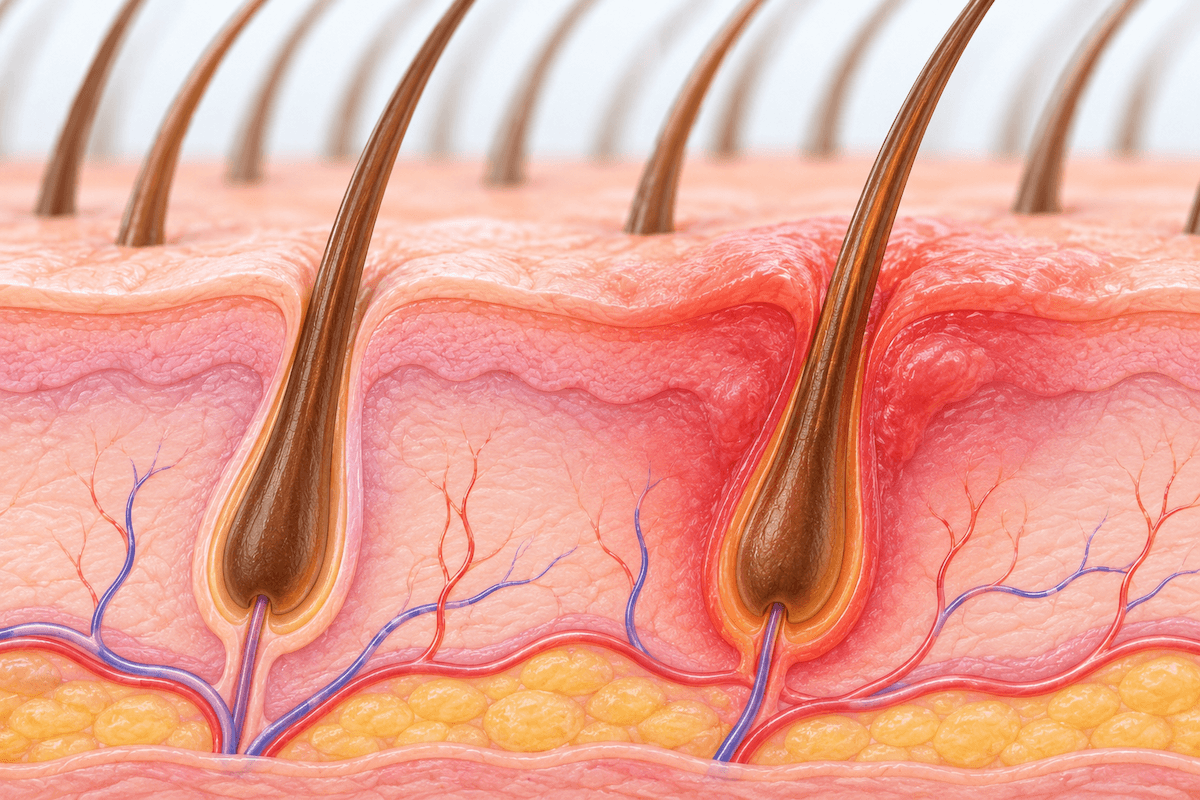
Inflammation can affect how the scalp responds to the controlled injuries created during microneedling. When the skin is already inflamed, its normal repair processes may be disrupted, potentially increasing irritation or delaying recovery. The risks are particularly concerning when inflammation is associated with an underlying disorder that affects the skin’s protective barrier.
The scalp normally responds to minor injuries through a coordinated healing process. This involves an initial inflammatory response followed by tissue repair. Microneedling is designed to trigger this process under controlled conditions.
However, an existing inflammatory disorder can alter the environment in which healing takes place. When the skin barrier is compromised, the scalp may become more susceptible to irritation and infection. The procedure could also aggravate symptoms that were already present before treatment.
Another consideration is that inflammation does not always produce obvious symptoms. Some scalp conditions fluctuate in severity, meaning that visible redness or discomfort may temporarily improve even though the underlying disorder remains active.
For this reason, the absence of severe symptoms on the day of treatment does not necessarily mean the scalp is ready for microneedling. The underlying condition and its current activity are more important than appearance alone.
Can Scalp Microneedling Make Scarring Alopecia Worse?
Scalp microneedling may aggravate certain forms of active scarring alopecia, although direct evidence about its effects on these conditions is limited. Scarring alopecia involves inflammatory processes that can permanently destroy hair follicles. Additional trauma to an affected area may be inappropriate, particularly when the disease is active and further follicular damage remains possible.
Unlike pattern hair loss, where follicles typically become progressively smaller, scarring alopecia can destroy the structures needed for future hair production. Once a follicle has been replaced by scar tissue, it cannot produce new hair.
This distinction has important implications for treatment. Microneedling is intended to encourage activity in existing follicles, but it cannot restore follicles that have already been permanently destroyed.
One example is folliculitis decalvans, an inflammatory form of scarring alopecia associated with pustules, crusting and progressive hair loss. The condition is also associated with the bacterium Staphylococcus aureus. Microneedling an actively affected scalp could introduce additional trauma, potentially increasing the risk of infection, complications or worsening disease activity. Other forms of scarring alopecia, including lichen planopilaris and frontal fibrosing alopecia, also require particular caution.
If scarring alopecia is suspected, assessment by a dermatologist should take priority over scalp microneedling. A trichologist may recognise signs of the condition during a scalp examination and recommend a referral, but medical diagnosis and treatment require an appropriately qualified healthcare professional.
Should You Postpone Scalp Microneedling If You Have Dandruff or an Irritated Scalp?
Dandruff does not automatically mean you need to postpone scalp microneedling. The decision depends on whether the flaking is accompanied by active inflammation or other signs of an underlying scalp condition. While mild dandruff may not prevent treatment, more severe symptoms can make it inappropriate until the scalp has recovered.
Dandruff is commonly associated with seborrhoeic dermatitis, a condition that can cause flaking and inflammation. Its severity varies considerably. Someone with occasional mild flaking may have different treatment considerations from a person experiencing inflamed patches or persistent scalp discomfort.
However, not all flaking is caused by seborrhoeic dermatitis. Other scalp disorders, including psoriasis and certain fungal infections, can produce similar symptoms. Their management differs, which makes distinguishing between them important before deciding whether microneedling is appropriate.
If the cause of your flaking is unclear or symptoms continue despite appropriate scalp care, further assessment may be necessary. Once the underlying problem has been addressed, microneedling can be reconsidered if the scalp is suitable for treatment.
How Do You Know If Scalp Microneedling Is Suitable for Your Hair Loss?
The suitability of scalp microneedling depends on whether the procedure is appropriate for your particular type of hair loss and whether there is sufficient evidence to support its use. A professional consultation can help establish what treatment may realistically achieve in your circumstances. Your expectations and any previous treatment experiences should also form part of that discussion.
For example, microneedling has been studied particularly in relation to androgenetic alopecia, commonly known as pattern hair loss. Some research suggests that it may improve hair growth in selected patients, especially when used alongside other treatments.
However, the available evidence has limitations. Studies have used different needling techniques and treatment schedules, making it difficult to establish a standard approach. There is also less certainty about how well the benefits are maintained over time.
These limitations matter when deciding whether to proceed. Even when microneedling appears suitable, the potential benefits should be considered alongside the available evidence and the individual’s treatment goals.
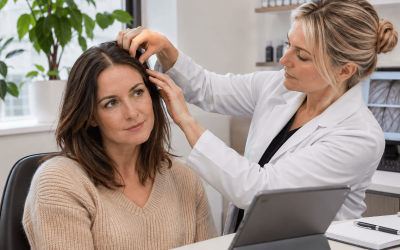
This is where a professional hair and scalp assessment becomes valuable. A trichologist can examine your scalp and discuss your hair loss history, including when thinning began and whether you have previously undergone treatment. Digital scalp examination may also help identify visible changes in hair density or the condition of the scalp.
At Universal Hair & Scalp Clinic, a consultation provides an opportunity to review these findings and discuss whether microneedling is an appropriate option for your hair loss concerns. The trichologist can also explain what the treatment may realistically achieve and whether another non-surgical approach might be more suitable.
If the examination reveals signs of a possible infection or scarring alopecia, medical referral may be recommended before proceeding. The aim is to establish whether microneedling is appropriate for your circumstances rather than assuming it is suitable simply because you are experiencing hair loss.

What Can You Do If Scalp Microneedling Is Not Recommended?
If scalp microneedling is not recommended, the next step depends on why the procedure is unsuitable. Some people may be able to reconsider treatment after a temporary scalp problem has resolved. Others may need a different approach to managing their hair loss. Addressing the underlying concern should take priority over immediately replacing microneedling with another procedure.
For temporary scalp problems, treatment may be reconsidered once the affected skin has recovered. However, conditions requiring medical management, particularly inflammatory scarring alopecia, may call for a different long-term approach.
Where microneedling is unsuitable for reasons unrelated to an active medical condition, other non-surgical approaches may be worth discussing. Depending on the type of hair loss, these could include low-level laser therapy or other appropriate hair and scalp treatments. However, the suitability of each option must be considered individually.
An alternative treatment should not be assumed safe simply because it does not involve needles. Some scalp conditions require medical attention before any hair-growth procedure is appropriate.
It is also worth recognising that not every case of hair thinning requires immediate treatment. In some circumstances, continued observation or further investigation may be more appropriate.
When Should You Seek Professional Advice Before Scalp Microneedling?
You should seek professional advice before scalp microneedling if you are experiencing unexplained hair loss or have concerns about the condition of your scalp. Persistent discomfort, unusual changes in the skin or rapidly progressing hair loss may warrant further investigation. The appropriate next step depends on your symptoms and whether there are signs of an underlying medical condition.
A trichological consultation can be a useful starting point when you want to explore the possible causes of hair thinning and discuss non-surgical hair loss treatment options. During the assessment, a trichologist can examine your hair and scalp, review your history and identify changes that may require further investigation.
However, certain symptoms should be assessed by a GP or dermatologist rather than relying on a trichological consultation alone. These include suspected infections, significant inflammation or signs of scarring alopecia. Medical assessment is particularly important when symptoms are worsening or the cause remains unclear.
Seeking advice before undergoing microneedling can help you avoid an unsuitable procedure and make a more informed decision about your next steps.

In conclusion, scalp microneedling may have a role in managing certain types of hair loss, but it is not appropriate for every scalp condition. Active infections and significant inflammation may require treatment to be postponed, while suspected scarring alopecia warrants medical assessment before any hair-growth procedure is considered.
The decision to proceed should take account of both your scalp’s condition and the underlying cause of your hair loss. A professional assessment can help determine whether microneedling is worth considering or whether another approach would be more appropriate.
Unsure whether scalp microneedling is suitable for your hair and scalp? Book a consultation at our Dublin clinic to have your concerns professionally assessed and explore appropriate non-surgical treatment options. Call +353 (0)1 679 3618 to arrange your appointment.